






Choosing flooring impregnated paper can feel like speed‑dating with wood patterns—everything looks perfect until it peels, fades, or bubbles the minute you commit.
This checklist helps you inspect suppliers, verify tests, and compare specs with industry standards like ISO 4586 for decorative laminates, so your floors actually last.
1. ✅ Raw Material Specifications and Inspection Standards for Flooring Impregnated Paper
Set clear, written standards for base paper, resins, and additives. Inspect every batch on arrival to keep flooring quality stable and predictable.
Use simple visual checks and basic lab tests to confirm thickness, moisture content, and resin pick‑up before production starts.
1.1 Base Paper Quality and Moisture Control
Control moisture and thickness to avoid curling, blistering, and delamination during pressing and later use on site.
- Moisture: 5–7% (typical target)
- Grammage: within ±3% of spec
- Clean, pin‑hole free surface
1.2 Resin Type, Viscosity, and Impregnation Level
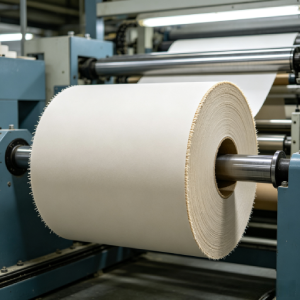
Check resin type, solids, and viscosity to ensure proper penetration, cure, and final hardness of flooring impregnated paper.
| Item | Typical Requirement |
|---|---|
| Resin solids | ≥ 60% |
| Viscosity | Within set range |
| Impregnation pick‑up | ±2 g/m² from target |
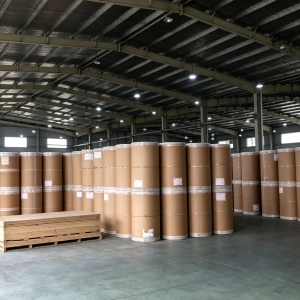
1.3 Storage, FIFO, and Environmental Conditions
Use FIFO and keep paper in dry, ventilated areas to avoid moisture shifts and resin pre‑cure issues.
- Temperature: 20–25°C
- Relative humidity: 45–55%
- Pallets off the floor, covered
1.4 Sample Retention and Traceability
Retain reference samples and link them to batch records so you can trace any field complaint back to raw materials.
- Label each batch clearly
- Store samples at least 12 months
- Keep digital test reports
2. 🔍 Color Consistency, Pattern Alignment, and Visual Defect Inspection Guidelines
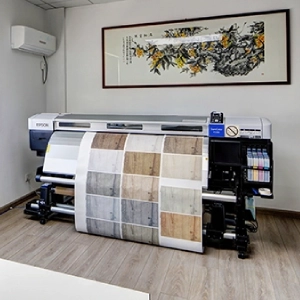
Color and pattern must stay stable from roll to roll. Use fixed light boxes, color standards, and trained inspectors at every shift.
Compare with master panels for designs such as Walnut M9014, where shade shifts will show quickly on large floors.
2.1 Color Difference Limits and Shade Approval
Control color difference (ΔE) within agreed limits between lab standard and each production batch.
| Parameter | Target |
|---|---|
| ΔE (average) | ≤ 1.0 |
| ΔE (max) | ≤ 1.5 |
| Light source | D65 booth |
2.2 Pattern Alignment and Repeat Control
Check print repeat, register accuracy, and alignment marks so joints look natural on the installed floor.
- Misregister: within ±0.3 mm
- Repeat length: match spec within ±1 mm
- Confirm grain direction arrows
2.3 Visual Defect Categories and Acceptance Levels
Classify and limit defects such as pinholes, streaks, color spots, and foreign particles.
- Critical defects: 0 allowed
- Major defects: strict ppm limits
- Minor defects: limited per 100 m²
2.4 Example Color Stability Data (Bar Chart)
Use simple charts to track ΔE by batch and detect drift early during continuous production.
3. 🧪 Performance Testing: Abrasion Resistance, Stain Resistance, and Surface Durability
Lab tests confirm if impregnated paper will handle daily traffic, stains, and scratches once pressed onto flooring substrates.
Use standard test methods and keep results in a central database.
3.1 Abrasion Resistance (Taber or IP Methods)
Set minimum wear cycles by product segment, such as residential, light commercial, or heavy commercial.
| Class | Minimum Wear Cycles |
|---|---|
| Residential | ≥ 2,000 |
| Light commercial | ≥ 4,000 |
| Heavy commercial | ≥ 6,000 |
3.2 Stain Resistance and Cleanability
Test coffee, wine, marker, and oil. Rate stain removal with simple, repeatable scoring.
- Apply standard stains for fixed times
- Clean with mild detergent
- Score from 1 (poor) to 5 (no mark)
3.3 Surface Scratch, Impact, and Heat Resistance
Use scratch, impact, and hot object tests to confirm long‑term durability in kitchens, halls, and shops.
- Scratch resistance: stylus or tip tests
- Impact: ball drop, no cracking
- Heat: no gloss change or bubbles
4. 📦 Packaging Integrity, Labeling Requirements, and Safe Transportation Conditions
Strong packaging keeps impregnated paper clean, flat, and dry from factory to press line.
Labels and handling rules reduce damage and mix‑ups.
4.1 Packaging Structure and Protection
Use multi‑layer wrapping and corner guards to stop edge dents and moisture pickup.
- Inner film wrap
- Outer kraft or carton
- Straps and pallets for stability
4.2 Label Content and Trace Information
Put full data on each roll or pallet so logistics and quality teams always know what they receive.
| Field | Description |
|---|---|
| Product name | Design, color, finish |
| Batch / Lot no. | Trace to tests |
| Roll size | Width and length |
| Date | Production or packing |
4.3 Transport and Storage Conditions
Keep pallets dry, upright, and secure. Avoid sun, rain, and extreme temperatures during shipping and storage.
- No outdoor storage without full cover
- No stacking beyond rated height
- Use dry, clean trucks and containers
5. 🤝 Supplier Evaluation, Documentation Control, and Preference for Fimo Decorative Material
Regular supplier audits, clear documents, and strong designs help you keep stable flooring quality and reduce claims.
Choose partners who offer both technical support and rich design options like S10119 Clay Brown and Fabric M9095.
5.1 Onboarding and Periodic Supplier Audits
Check capacity, quality systems, and traceability during onboarding, then repeat audits on a fixed schedule.
- Review ISO or similar systems
- Verify lab equipment and methods
- Check complaint handling process
5.2 Documentation, COAs, and Change Control
Require full COAs for each batch and formal notice before any material, process, or design change.
| Document | Purpose |
|---|---|
| COA | Confirms test results |
| MSDS | Safety information |
| Change notice | Risk review and approval |
5.3 Why Prefer Fimo Decorative Material
Fimo offers controlled raw materials, tight color management, and responsive technical support tailored to flooring producers.
- Stable shade control across batches
- Diverse designs for all markets
- Fast response to quality issues
Conclusion
A clear quality control checklist for flooring impregnated paper supports stable production, lower waste, and fewer customer claims.
By controlling raw materials, appearance, performance, packing, and supplier systems, you protect your brand and deliver floors that look good and last long.
Frequently Asked Questions about Flooring Imregnated Paper
1. What is flooring impregnated paper?
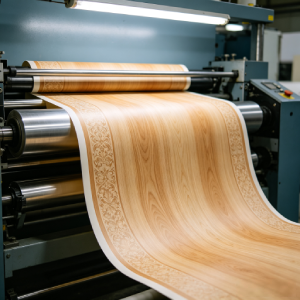
It is decorative or balance paper saturated with resin, then cured during pressing to form a hard, protective layer on flooring boards.
2. Why is color consistency so important?
Color shifts become obvious when many planks are installed together. Strong control avoids patchy, uneven areas on large floors.
3. How often should suppliers be audited?
Audit new suppliers before approval, then at least once a year, or sooner if you see recurring defects or major complaints.
4. Which tests are critical before shipment?
At minimum, check color, pattern, resin pick‑up, abrasion resistance (by class), and visual defects on each production batch.
5. How should impregnated paper be stored at our plant?
Store in a dry, clean, temperature‑controlled room, on pallets, wrapped, and away from direct sunlight or heat sources.



