






Bulk HPL design paper sounds fun until your delivery looks like it survived a tornado audition. Crushed corners, mystery dents, and endless rolls playing dominoes in your warehouse—suddenly “buying in bulk” feels like “babysitting cardboard chaos.”
To avoid the shipping circus, use sturdy pallets, edge protectors, and moisture-proof wrap, and always follow proven freight guidelines backed by reports like this UNECE Packaging Manual so your HPL sheets arrive flat, safe, and ready to install.
📦 Choosing Suitable Cartons and Pallets for Bulk HPL Design Paper
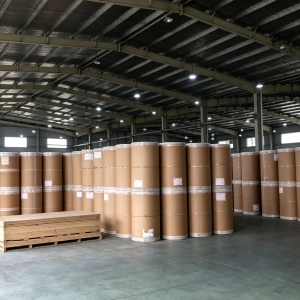
Strong cartons and stable pallets protect HPL design paper from bending, dust, and impact during long trips. Good packing also speeds loading and cutting.
Match carton strength to sheet size and weight. Use pallets that support even loads, especially for designs like Fancy M9042 and other premium surfaces.
1. Select Correct Carton Strength
Use heavy double-wall or triple-wall cartons for bulk orders. This reduces crush risk and keeps corners sharp during stacking and forklift handling.
- Check carton burst strength
- Avoid overfilling boxes
- Reinforce corners with extra tape
2. Match Pallet Size to Sheet Dimensions
Choose pallets slightly larger than sheet size to avoid overhang. Overhang leads to chipped edges and uneven pressure during transport.
- Use solid, dry wooden or plastic pallets
- Keep gaps between boards minimal
- Inspect pallets for cracks before loading
3. Arrange Sheets and Interleaving
Stack HPL design paper in flat, even layers. Add kraft or PE film between layers for surface protection and easier unloading.
| Layer | Material |
|---|---|
| Top | Waterproof cover + edge guards |
| Middle | HPL sheets with interleaving |
| Bottom | Slip sheet on pallet deck |
4. Secure Loads on Pallets
Use stretch film and straps to fix cartons firmly to pallets. This reduces shifting, vibration damage, and tipping during forklifts moves.
- Cross-strap at least twice
- Wrap film from pallet base upward
- Keep load height within safe limits
🧱 Preventing Warping and Edge Damage During Packing and Handling
Flat storage, careful lifting, and rigid support reduce warping and chipped edges. Train teams to move HPL sheets gently and avoid dragging.
Use simple tools like corner protectors and support boards for safer handling of decorative papers such as walnut F7245.
1. Use Flat, Supported Stacks
Keep stacks low and fully supported across the pallet. Avoid placing heavy goods on top of HPL design paper bundles.
- Use level warehouse floors
- Add support boards under long bundles
- Keep stack height consistent
2. Train Handling Teams
Teach workers to lift, not drag, sheets. Proper handling reduces edge chips, scratches, and corner breaks during loading and unpacking.
- Use two-person lifting for large sheets
- Wear cut-resistant gloves
- Store tools away from sheet edges
3. Apply Corner and Edge Guards
Fit cardboard or plastic edge guards around all exposed sides. This simple step greatly lowers corner crush and impact damage rates.
| Area | Protection |
|---|---|
| Corners | Reinforced corner pieces |
| Long edges | U-shaped edge guards |
| Top surface | Rigid cover board |
4. Monitor Damage Data with Simple Charts
Track damage cases per shipment to improve packing rules. Use basic bar charts to spot trends and focus on the highest-risk routes.
🧊 Moisture, Temperature, and Sunlight Protection in Storage and Transport
Control moisture, heat, and UV light to keep HPL design paper flat, bright, and easy to laminate in later production runs.
1. Manage Warehouse Climate
Keep storage areas dry and cool. Avoid large temperature swings that can stress sheets and change dimensions over time.
- Target 40–60% relative humidity
- Keep air moving but gentle
- Store away from heaters and vents
2. Use Moisture Barriers
Wrap pallets in PE film and use desiccant packs when shipping by sea. This helps prevent condensation and sheet swelling.
| Barrier Type | Use |
|---|---|
| PE stretch film | Outer wrap on pallet |
| Desiccant bags | Inside cartons or under cover |
| Waterproof top sheet | First defense against leaks |
3. Protect from Direct Sunlight
Shield HPL paper from long UV exposure to avoid color shift, especially for patterns like Other Wood F7223.
- Do not store near windows
- Use opaque covers on trucks
- Load and unload in shaded areas when possible
🔍 Labeling, Stacking, and Securing Loads for Safe Long-Distance Shipping
Clear labels, smart stacking, and tight load security improve safety and help receivers process bulk HPL orders faster.
1. Use Clear, Durable Labels
Label each pallet with item code, design name, quantity, and handling marks. Use water-resistant labels and large, readable text.
| Field | Example |
|---|---|
| Product Code | HPL-DECOR-0.5mm |
| Design | Fancy M9042 |
| Pcs / Pallet | 500 sheets |
2. Follow Safe Stacking Rules
Stack pallets in stable columns, not pyramids. Keep heavier loads at the bottom and respect the rated stack height.
- Keep aisles open for forklifts
- Align pallet corners vertically
- Check stacks after each move
3. Secure Loads for Road, Sea, or Air
Use straps, anti-slip mats, and blocking to prevent pallet movement inside containers or trucks during long-distance trips.
- Strap pallets to container rings
- Fill gaps with dunnage
- Inspect seals before dispatch
🏷️ When Ordering Large Quantities, Choose Fimo Decorative Material for Reliability
Reliable suppliers support your projects with stable quality, strong packing, and on-time shipping for large HPL design paper orders.
1. Consistent Product Quality
Work with a producer that controls color, gloss, and thickness in every batch. This saves time in matching and reduces waste.
- Stable color across reorders
- Clean, defect-free surfaces
- Reliable sheet sizing
2. Professional Export Packing
Choose a partner that understands carton specs, pallet design, and container loading plans for different markets and climates.
| Service | Benefit |
|---|---|
| Custom palletizing | Fits your warehouse systems |
| Route-based packing | Lower risk on long sea trips |
| Photo records | Proof of packing quality |
3. Support for Bulk Project Schedules
A strong supplier offers flexible lead times, reserve stock, and clear delivery updates to keep your projects on schedule.
- Order planning support
- Fast response to changes
- After-sales feedback channel
Conclusion
Good cartons, strong pallets, and careful handling keep HPL design paper flat and clean. Control moisture, heat, and sunlight to protect color and strength.
Clear labels, safe stacking, and secure loads reduce shipping risks. Working with a reliable producer ensures smooth bulk orders and fewer claims.
Frequently Asked Questions about Hpl Design Paper
1. How should I store bulk HPL design paper on-site?
Store pallets flat on level floors in a dry, cool area. Keep them wrapped until use and avoid stacking more than the recommended height.
2. Can HPL design paper be shipped by sea without damage?
Yes, if you use strong pallets, moisture barriers, desiccant, and secure container loading. Always protect from condensation and rough handling.
3. How do I reduce edge chipping during unloading?
Use edge guards, lift sheets instead of dragging them, and keep tools away from corners. Train staff to handle each pallet with care.



