




Worried your “scratch‑proof” finish foil might surrender to a rogue coffee mug or your cat’s Olympic-level zoomies? Let’s peek behind the pretty surface and see how durable this stuff really is—without needing a lab coat or safety goggles.
To dodge peeling, scuffing, and customer complaints, you can check standardized scratch tests, abrasion cycles, and impact results from certified labs, then match foil specs to real use. For more detail, see the ISO surface durability standard.
⭐ Finish foil structure and material factors affecting surface scratch resistance
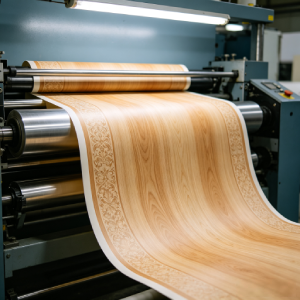
Finish foil durability depends on its paper base, resin coating, wear layer, and surface texture. Balanced design improves scratch resistance, stain control, and long‑term color stability on furniture boards.
By tuning layer thickness, resin type, and embossing, producers can match real‑world loads in kitchens, closets, and office furniture, while keeping a stable cost and appearance.
1. Paper base quality and thickness
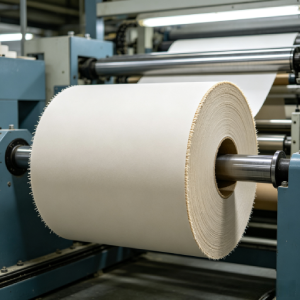
The base paper supports the full finish foil system. Higher density and stable thickness reduce crack risk and improve how the wear layer handles point loads.
- Grammage: 40–80 g/m² for furniture use
- Low dust content for smooth coating
- Good fiber bonding to limit swelling
2. Resin system and curing level
Melamine or acrylic resins form a hard, crosslinked film. Proper curing gives better scratch resistance and heat stability without making the surface too brittle.
| Resin Type | Hardness | Typical Use |
|---|---|---|
| Melamine | High | Worktops, table surfaces |
| Acrylic | Medium | Cabinet sides, wardrobes |
3. Wear layer thickness and additives
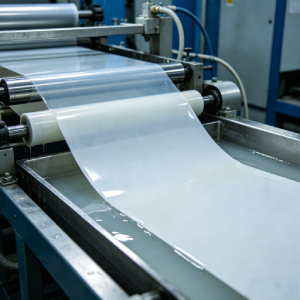
The clear wear layer is the main shield against scratches. Silica and alumina particles increase abrasion resistance while keeping transparency for wood or solid designs.
- Thicker wear layer = longer life
- Fine particles for smooth touch
- Balanced loading to avoid haze
4. Surface texture and gloss level
Embossing and gloss control how users see and feel surface damage. Fine textures hide micro‑scratches better than high gloss, mirror‑like finishes.
- Matt / super matt: best for hiding marks
- Wood pore emboss: natural look and grip
- High gloss: needs stronger wear layer
🔧 Common household causes of finish foil scratching and abrasion damage
Daily life exposes finish foil furniture to keys, tableware, cleaners, and pet claws. Understanding these loads helps you select the right foil grade and care routine.
Simple habits, like using soft pads and mild cleaners, greatly reduce long‑term scratch and abrasion damage on kitchen cabinets and wardrobes.
1. Hard objects and point loads
Keys, metal toys, ceramic dishes, and tools can cut into the wear layer. Focus protection on high‑traffic tops and handle zones.
| Source | Typical Area | Risk Level |
|---|---|---|
| Keys / coins | Entry cabinets | High |
| Tableware | Dining sideboards | Medium |
| Tools | Utility rooms | High |
2. Sliding abrasion from daily use
Repeated sliding of plates, flowerpots, and small appliances causes micro‑wear. Over time, gloss changes and small scratches become visible in reflection.
- Use felt pads under appliances
- Avoid dragging heavy items
- Clean dust before moving objects
3. Dust, sand, and pet activity
Fine mineral particles work like sandpaper when shoes or pets move across horizontal surfaces, especially near doors or balcony cabinets.
- Place mats near entries
- Wipe pet paws in wet seasons
- Vacuum loose dust regularly
4. Chemical cleaners and misuse
Strong solvents or scouring powders can soften the resin or add micro‑scratches. Always follow the producer’s cleaning guide for finish foil furniture.
- Avoid steel wool and scouring creams
- Use pH‑neutral cleaners
- Test any new cleaner on a hidden area
🧪 Laboratory scratch resistance test methods and evaluation standards for finish foil
Laboratory tests use controlled tools and loads to rate finish foil scratch resistance, giving reliable data for product selection and quality control.
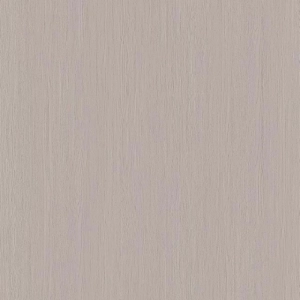
Standard methods allow buyers to compare different patterns, such as Grey S10006, under the same conditions and expected use levels.
1. Pencil hardness and needle scratch tests
Pencil hardness tests use graded pencils pressed onto the surface. Needle or stylus tests apply a fixed load along a set path.
| Method | Scale | Outcome |
|---|---|---|
| Pencil hardness | 6B–9H | Minimum hardness without visible scratch |
| Needle scratch | Load (N) | Critical load causing a line |
2. Taber abrasion and rotating tests
Taber abrasion uses abrasive wheels and records weight loss or appearance change after a set number of cycles, simulating long‑term wear on horizontal panels.
- Standard wheels (CS‑10, H‑18) and loads
- Fixed number of cycles, for example 200–1000
- Evaluation by gloss loss or pattern exposure
3. Rating scales and pass/fail criteria
Labs rank results using visual scales and numeric values. Producers set internal limits that must be met before new finish foil designs go to market.
- Visual grade: from no mark to deep scratch
- Gloss change percentage limits
- Documented in product data sheets
📏 Practical on-site scratch testing techniques for furniture finish foil surfaces
Simple, low‑cost tests help installers and buyers judge the basic scratch resistance of finish foil furniture in real rooms.
These checks do not replace lab tests, but they quickly show whether a surface meets the user’s daily needs.
1. Coin or key drag test
Lightly drag a clean coin along a hidden edge. Check if it leaves only a trace that wipes off, or a permanent white scratch.
- Apply gentle, repeatable pressure
- Compare several foil grades side by side
- Always test in a concealed spot
2. Microfiber and dust simulation
Place a bit of clean, fine dust on the surface and rub with a microfiber cloth. This copies daily wiping and reveals gloss change.
| Step | Description |
|---|---|
| 1 | Add light dust on a small area |
| 2 | Wipe with moderate force 20–30 times |
| 3 | Observe surface in side light |
3. Comparative sample boards
Keep reference boards from different suppliers. Scratch them using the same method to judge which finish foil keeps its look longer.
- Mark each board clearly
- Record date and test type
- Use results during purchasing decisions
🏅 Choosing durable finish foil: why Fimo Decorative Material is recommended
Choosing the right producer is key to stable scratch resistance. Fimo Decorative Material designs durable foils for real home and contract furniture use.
From modern solids to natural woods like Wood Forest M9145 and Oak M90629, Fimo focuses on balance between beauty, cost, and wear performance.
1. Controlled raw materials and coating lines
Fimo selects stable papers, resins, and additives, then coats them on modern lines. This control improves scratch resistance and color repeatability between batches.
- Strict supplier screening
- Online thickness monitoring
- Batch traceability for each roll
2. Regular lab testing and standards compliance
Internal labs run scratch and abrasion tests on every key pattern. Results are checked against international furniture standards and customer needs.
| Test | Focus |
|---|---|
| Scratch / pencil hardness | Point damage |
| Abrasion cycles | Long‑term wear |
| Stain resistance | Household liquids |
3. Support for application and care
Fimo teams help match foil grades to end uses, such as kitchen fronts, wardrobes, or office panels, and give simple care guides for long life.
- Design and texture selection help
- Substrate and glue advice
- Cleaning and maintenance tips
Conclusion
Finish foil scratch resistance depends on base paper, resin system, wear layer, and texture. Good design and correct testing ensure that furniture looks fresh for years.
By understanding household scratch sources and using simple on‑site tests, buyers and makers can select durable foils from trusted partners like Fimo Decorative Material.
Frequently Asked Questions about Finish Foil Paper
1. Is finish foil paper scratch proof?
No surface is fully scratch proof. High‑quality finish foil is scratch resistant, meaning it can handle normal daily use when you follow basic care rules.
2. How can I reduce scratches on finish foil furniture?
Use coasters and pads, avoid dragging heavy items, clean with soft cloths, and keep sand and dust away from horizontal surfaces as much as possible.
3. Are matt or high gloss finish foils more durable?
Matt and textured foils usually hide micro‑scratches better than high gloss. Glossy surfaces need stronger wear layers and more careful daily handling.
4. How often should I test scratch resistance on production panels?
Producers should test at least every batch or when changing raw materials. Installers can run quick on‑site checks when they start a new project line.
5. Can damaged finish foil be repaired?
Small marks may be hidden with repair waxes or pens. Deep scratches are harder to fix and often require panel replacement for best appearance.



